Product Overview
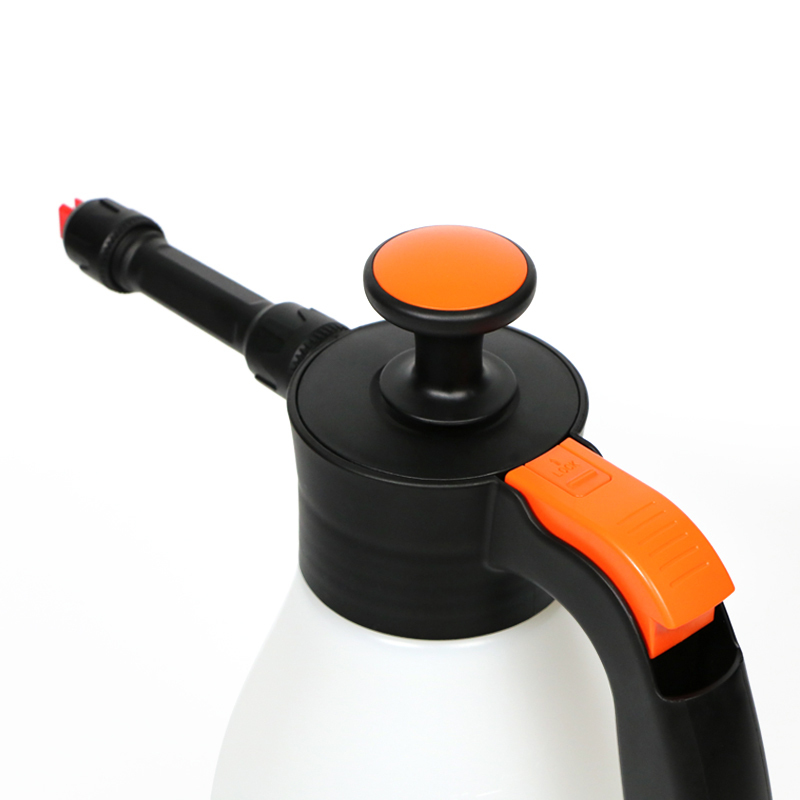
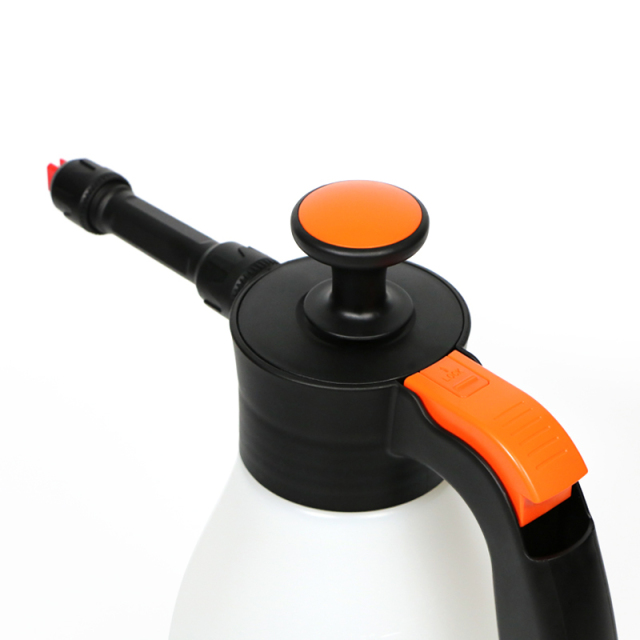
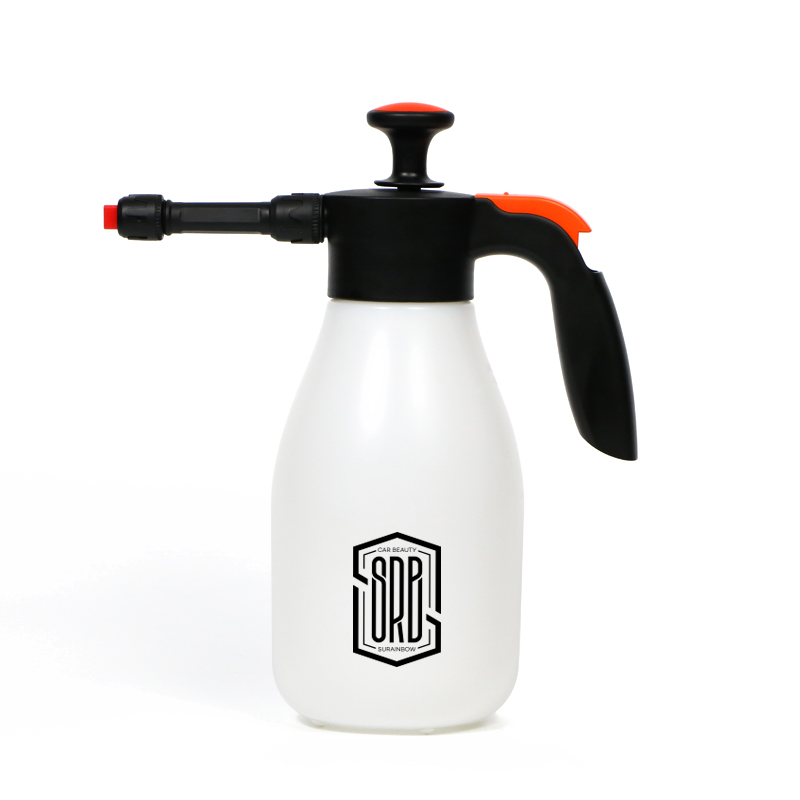
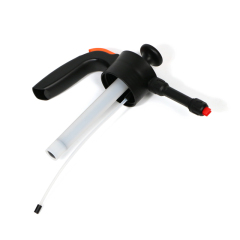
A top-mounted plunger lets operators manually pressurize the SURAINBOW Hand-Pressure Foam Sprayer at the unit for car-wash foam application. A curved handgrip and separate red trigger lever provide holding and spray controls, while the extended nozzle helps direct application toward the intended area. The translucent reservoir makes the remaining solution visible, although it does not provide a calibrated measuring scale, and the product has a listed weight of 0.590 kg. Before ordering, buyers should confirm reservoir capacity, maximum working fill and detergent compatibility for this model, including suitability for its seals and other wetted parts; replacement heads and nozzles also require matching connections and seals.
Manual Pump Features
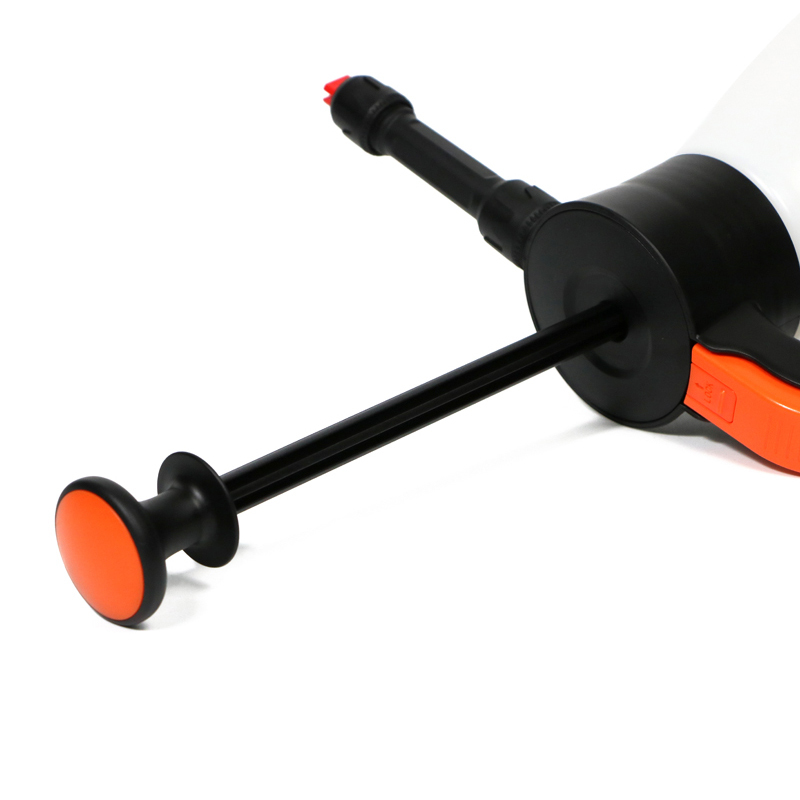
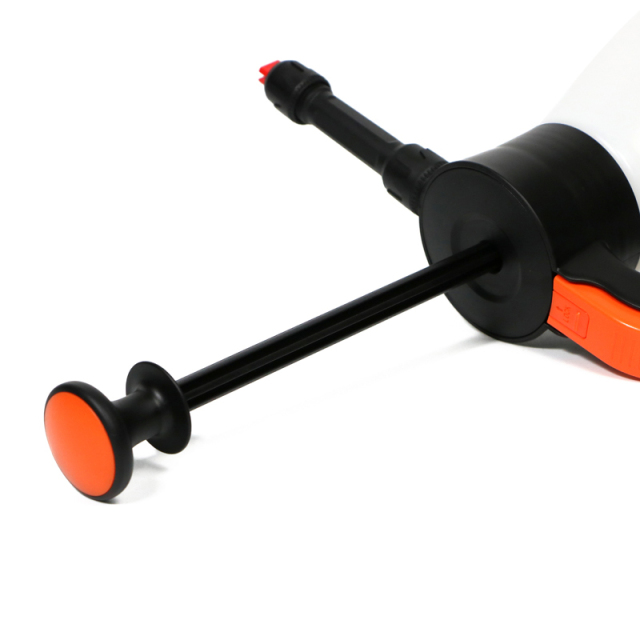
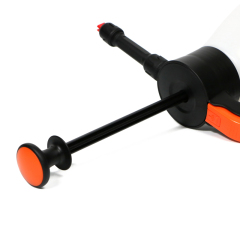
- A top-mounted plunger pressurizes the hand pressure foam spray can through manual pumping, keeping pressure preparation at the sprayer itself.
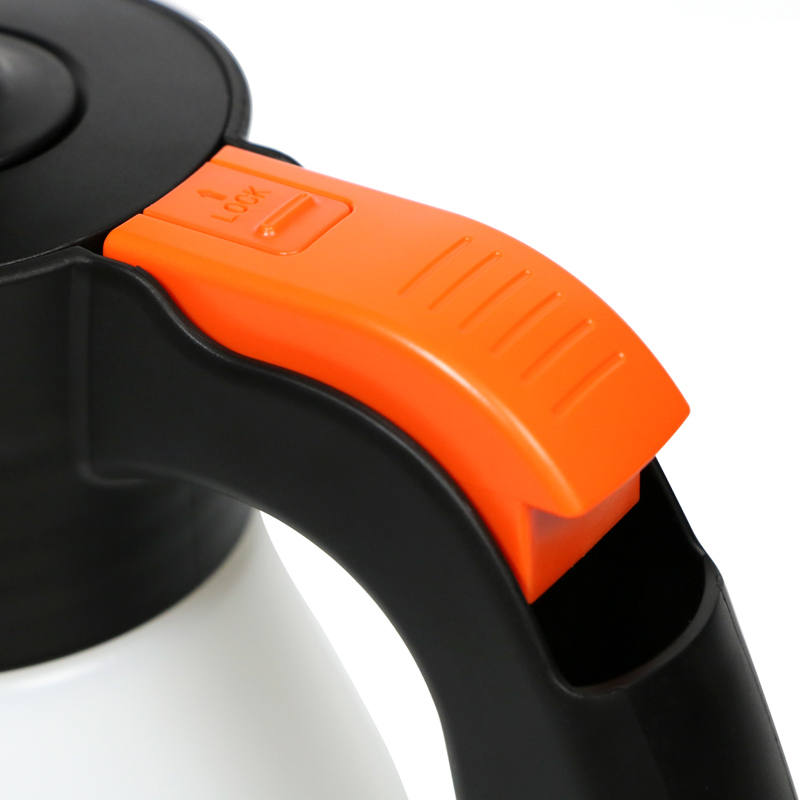
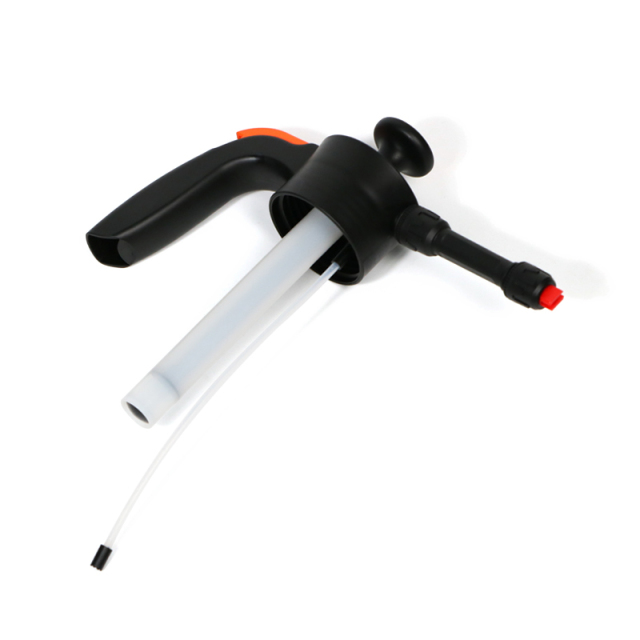
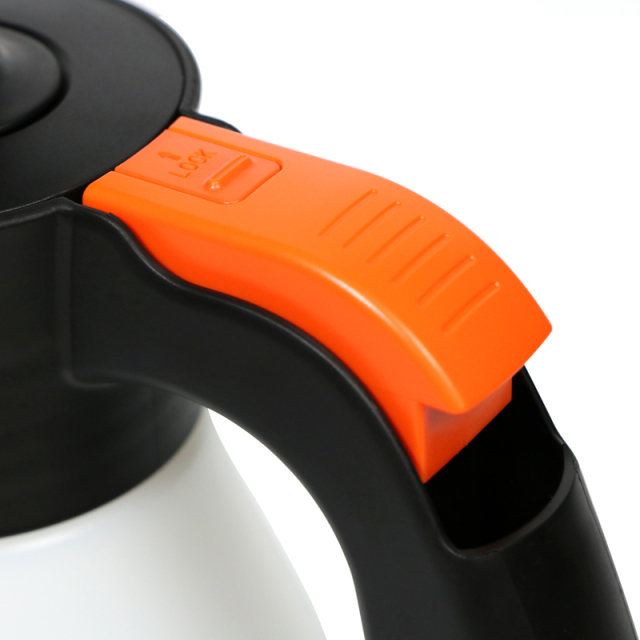
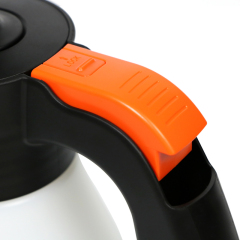
- A curved handgrip and red trigger lever give the operator separate holding and spray controls on the car wash foam sprayer. The trigger sits alongside the grip for application while holding the unit.
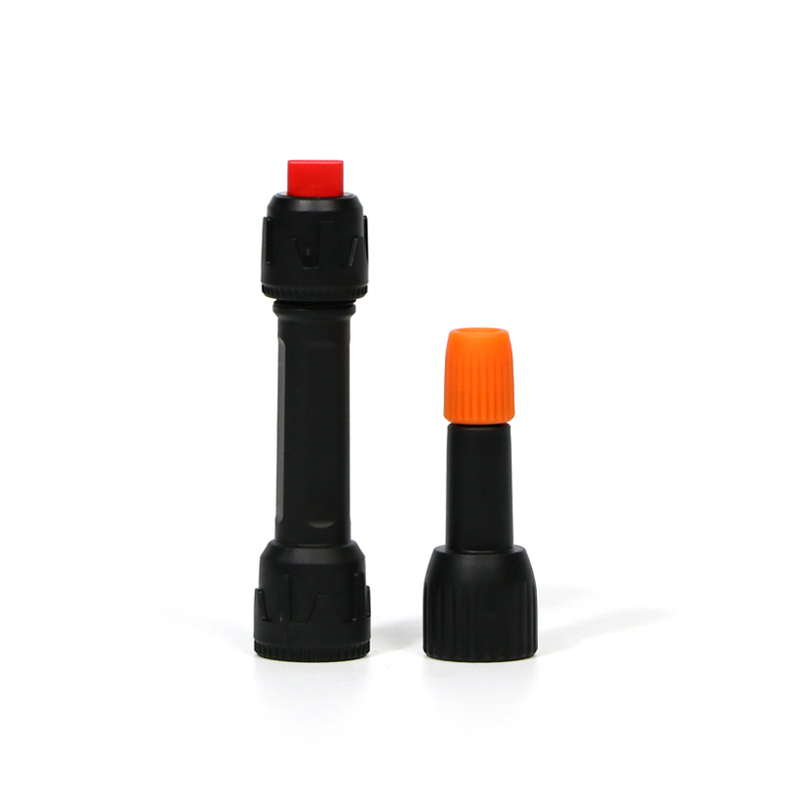
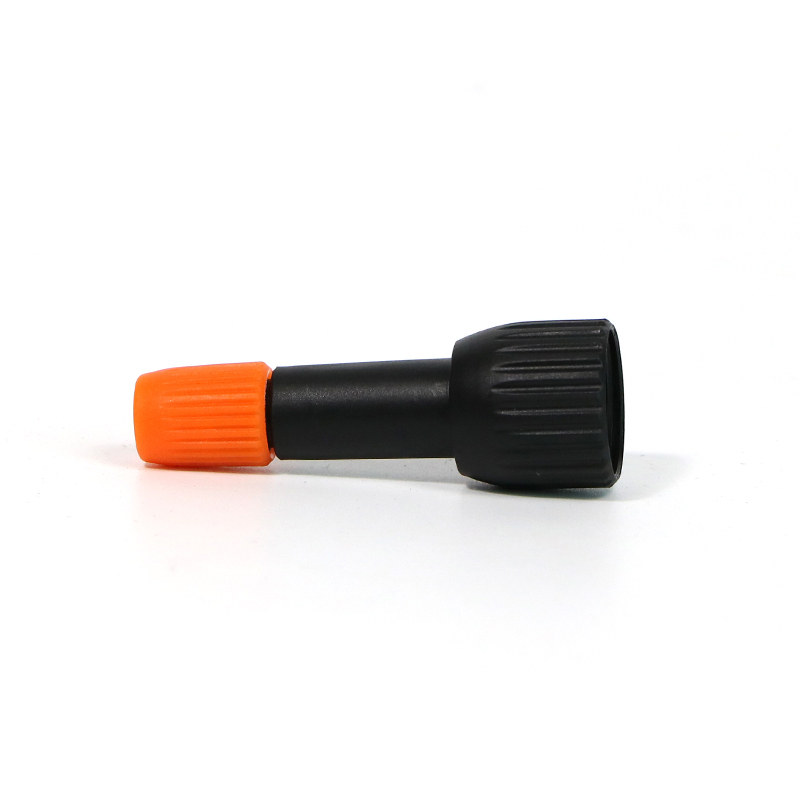
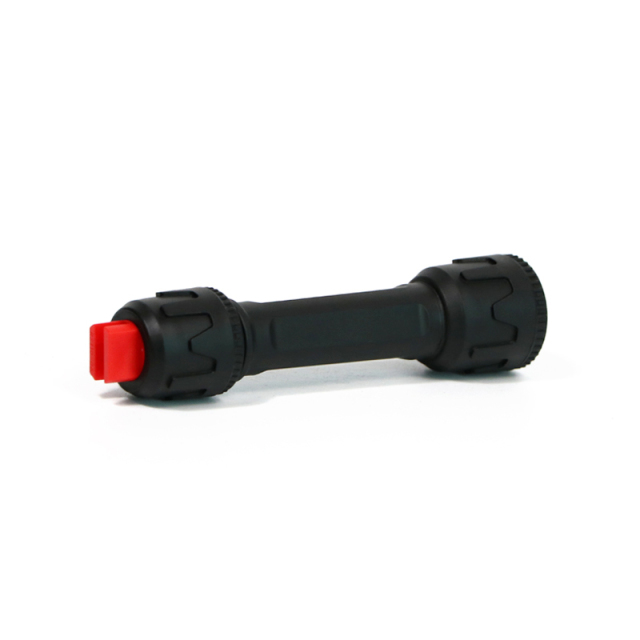
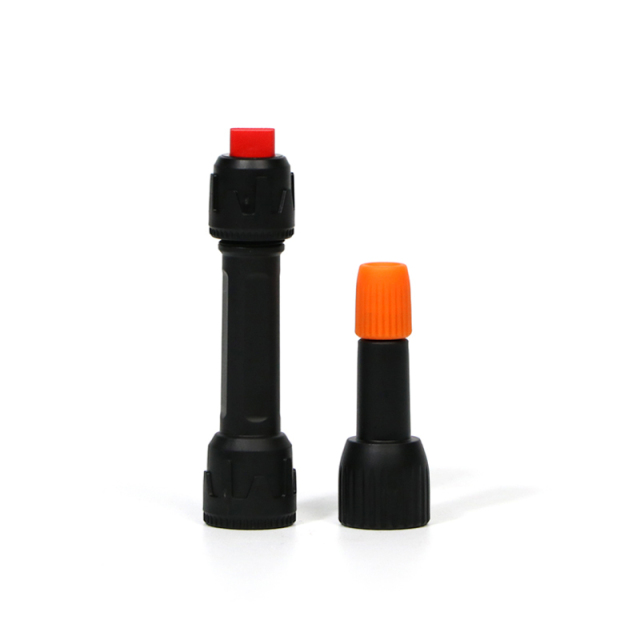
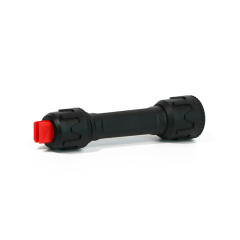
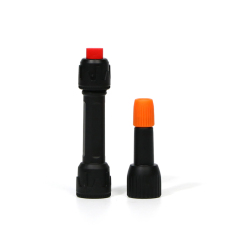
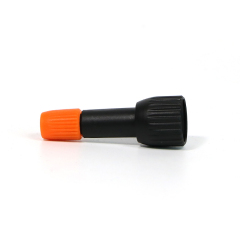
- An extended nozzle projects ahead of the handle, helping the operator direct application toward the intended area. Its elongated assembly has a rectangular tip and ridged end collars.
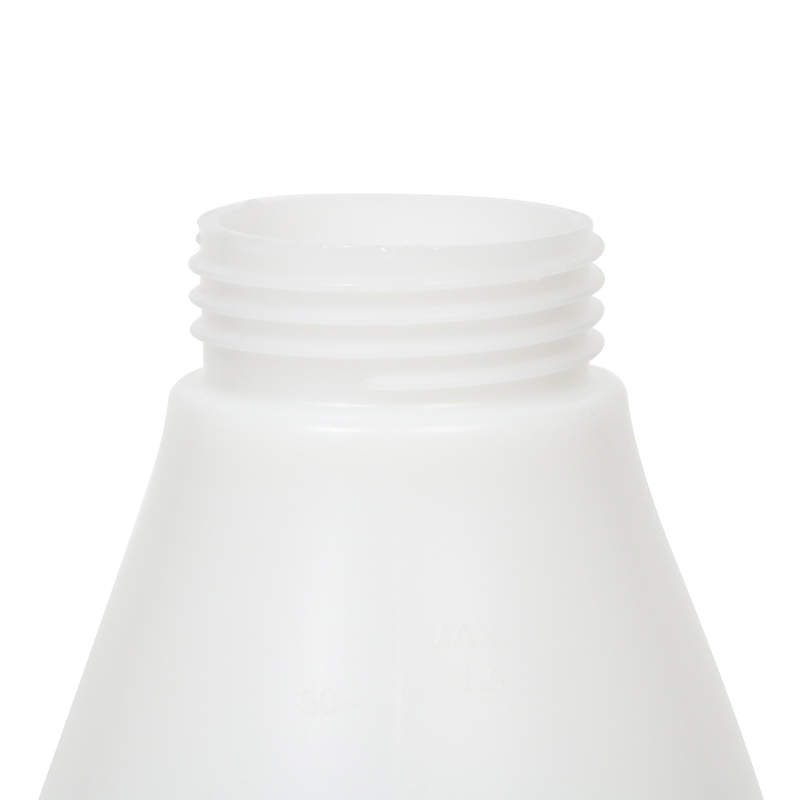
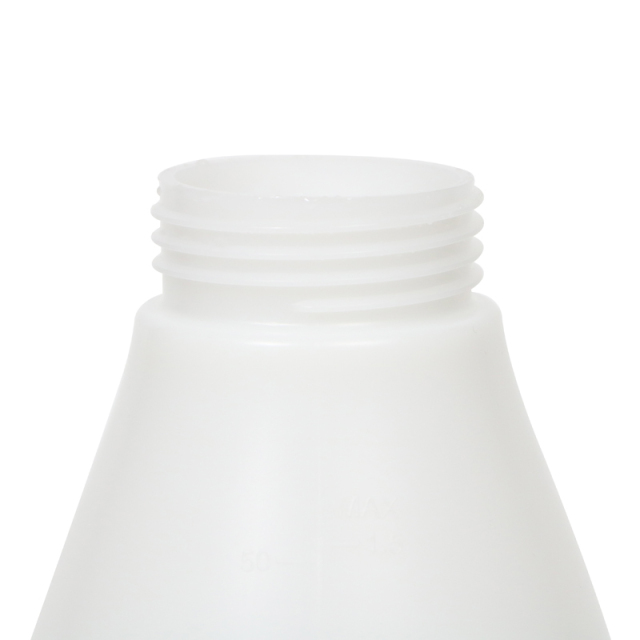
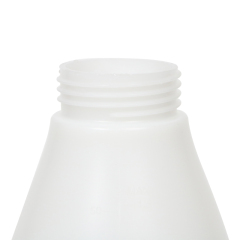
- A translucent reservoir makes the liquid level visible through the body. Visibility helps with checking the remaining solution, but does not establish a calibrated measuring scale.
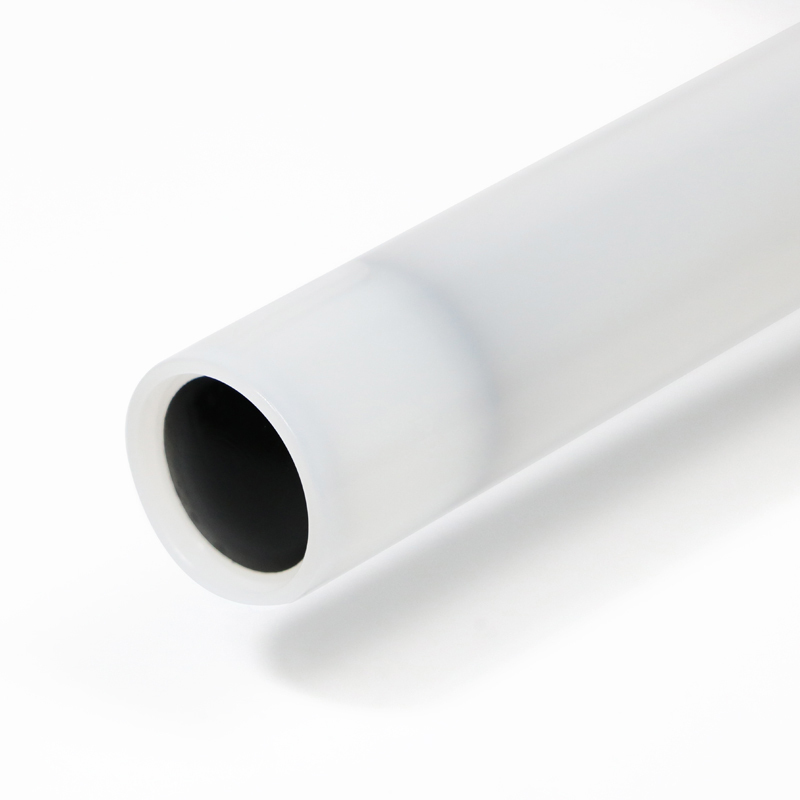
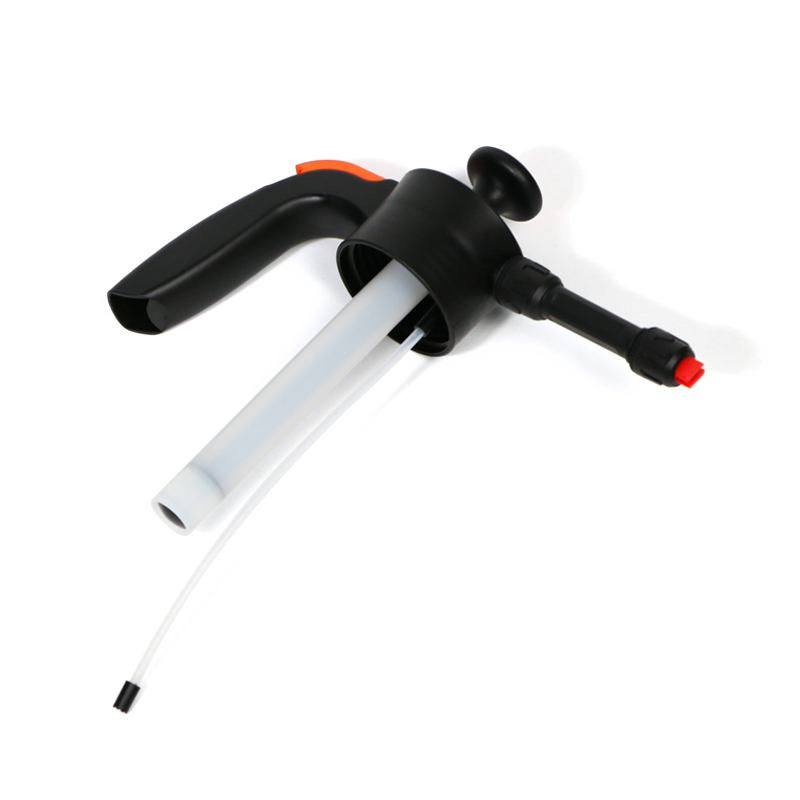
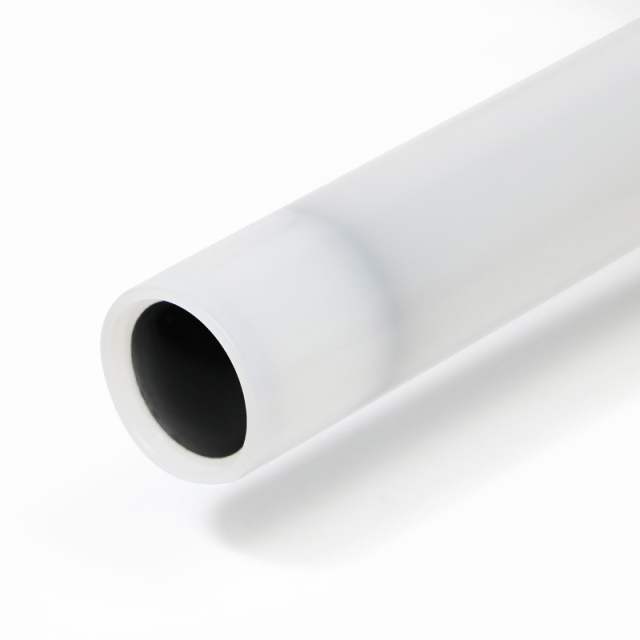
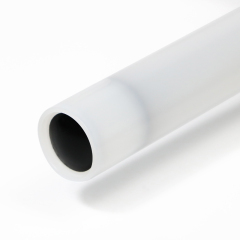
- A hollow pump tube with an open circular end and a separate intake hose form part of the head assembly. These internal parts should remain unobstructed for normal pumping and liquid pickup.
- The reservoir, pump head and nozzle work together as an assembly. Any replacement head or nozzle needs matching connections and seals; a similar appearance alone does not establish fit.
Product Specifications
| Property | Value |
|---|
| Product designation | foam spray can T-666 |
| Brand | SURAINBOW |
| Product weight | 0.590 kg |
| Place of origin | Guangdong, China |
| Colour | White |
| Design style | New China-Chic |
| Product type classification | Other |
| Declared expiry period | 3 years; does not specify the tool’s working life |
| Selling unit | Single item |
| Packing quantity | 1 piece per box |
| Single package dimensions | 36 × 20 × 24 cm |
| Single package gross weight | 4.000 kg |
Detergent & Surface Compatibility
Car-wash detergent used in a hand pressure foam spray can must suit the reservoir, seals and other wetted parts. Before introducing a cleaner, obtain the material details and compatibility guidance for this model, including any restrictions on acidic, alkaline or solvent-containing products.
Reservoir capacity, maximum working fill and external dimensions need model-specific confirmation before ordering. Allowing the prescribed air space is part of pressure-sprayer operation; the shipping box size does not establish usable liquid capacity.
For a car wash foam sprayer, dilution comes from the chosen detergent's instructions and its suitability for manual foam application. There is no universal mixing ratio or application quantity: concentrate strength, the area being treated and the cleaning method all affect consumption.
Painted panels, wheels, exterior trim and coated surfaces may require different cleaning products. Use a solution only on surfaces approved by its manufacturer, and test an inconspicuous area before wider application, particularly where a coating, film or sensitive finish is present.
Foam appearance alone does not establish cleaning strength or surface safety. Follow the detergent's contact-time and rinsing instructions, and avoid allowing the solution to dry where those instructions prohibit it.
For any cleaning liquid used with the tool, check its net contents, ingredient declaration and safety data sheet where applicable. Those documents describe the liquid and its handling requirements; they do not replace the sprayer's material and operating information.
Foam Application & Care
- Inspect the hand pressure foam spray can before filling, checking the reservoir for damage and the head, trigger and nozzle for secure assembly. Keep dirt away from sealing surfaces, and stop using a damaged or leaking unit.
- Prepare the work area with the protective equipment required by the cleaning liquid. Keep people clear of the spray direction and protect nearby items that should not receive the solution.
- Fill and close the reservoir according to the model's operating instructions. Obtain the permitted operating pressure, pumping guidance and pressure-release method before first use; do not guess a pump count or force a resistant plunger.
- Hold the car wash foam sprayer upright as directed and make a short test application onto an appropriate test area. Check that the trigger responds and the discharge is directed correctly before continuing across the vehicle.
- Work in manageable sections so application can be followed by the detergent's required cleaning and rinsing stages. Keep the nozzle moving to avoid repeatedly soaking one spot, and replenish pressure only as instructed.
- Release residual pressure by the approved method before opening the reservoir. Handle leftover solution according to its instructions and local requirements, then clean the reservoir and liquid path using a rinse compatible with the detergent and sprayer materials.
- Clear residue from the nozzle without enlarging its opening or forcing sharp tools into it. Let the cleaned components drain and dry, then store the unit unpressurized, away from heat, direct sunlight and accidental operation.
Testing & Sample Approval
- A physical sample of the foam spray can T-666 lets your operator assess the filled grip, trigger reach and pumping motion during the intended washing routine. Include repeated handling rather than judging comfort from an empty unit alone.
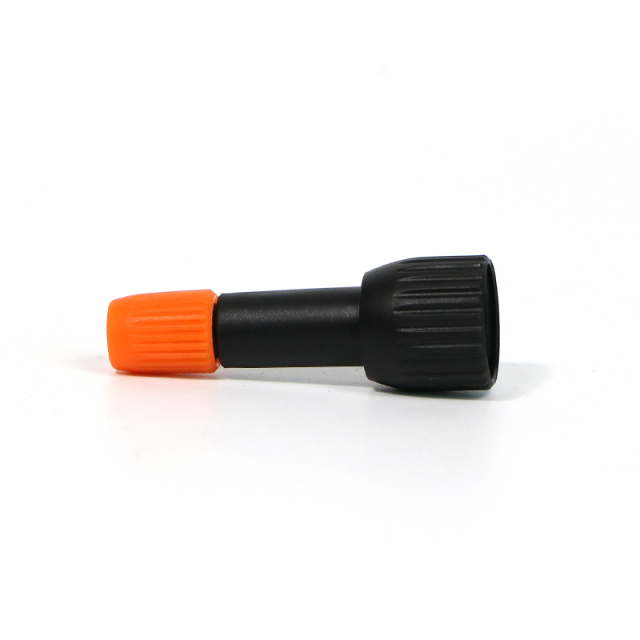
- The received sample should be checked against an agreed component list, including the reservoir, head, nozzle and internal pickup parts. Record whether anything is supplied separately so photographs of individual components are not mistaken for additional accessories.
- A detergent trial should record the cleaner used, water conditions and the observed discharge. Check startup, interruptions and restarting, and note any leakage or loss of function during the agreed trial.
- An oem foam spray can test brief should distinguish the standard tool from any proposed changes. Check the altered details on the actual sample before accepting them for the finished version.
- A shared test record helps you and your foam spray can supplier discuss the same result. Record the test conditions, photographs, observations and acceptance criteria, including anything that still needs correction.
- An approved sample can serve as the production acceptance reference when both sides agree to that arrangement. Identify the approved version clearly and retain the written specification and agreed tolerances alongside it.
Ordering & Delivery
Orders for the foam spray can T-666 use single-item sales, with 1 piece per box. The stated single-package size is 36X20X24 cm and the single gross weight is 4.000 kg; these are shipment details rather than the tool's dimensions or product weight.
The standard model has a minimum order of 1 piece, with payment by TT. For a physical sample, ask for current sample terms before arranging shipment.
Our general supply service: In stock and fast shipping. Availability for this model and its dispatch schedule remain subject to the individual order.
oem foam spray can service is accepted. The exact scope of branding, artwork and any proposed product changes needs agreement for this accessory before approval; company-wide customization services do not automatically apply to every part of the tool.
Packaging Design & Approval
Packaging changes can be reviewed according to the agreed project scope. Artwork, label language, barcode details, carton markings and the packing configuration should be checked together, with any required packaging proof approved before release.
Payment & Dispatch Documents
Before dispatch, review the agreed payment schedule and any outstanding balance, inspection arrangement, consignee details and transport instructions. Agree the required commercial invoice, packing list, customs documents and any destination-specific product documentation; applicable requirements depend on the goods and market, and no particular certification is implied.
Keep the accepted specification and order confirmation together when working with us as your foam spray can supplier. They should identify the approved product and packaging versions so the shipment handover refers to the same agreed details.
After-Sales & Batch Traceability
- A sticking trigger, uneven discharge or moisture around a joint needs a clear fault description. Stop operation if the unit appears damaged or cannot safely retain pressure, and do not dismantle it while pressurized.
- Record where the symptom occurs and whether it starts during pumping, spraying or after the unit is set down. A short video of the affected control or joint is more useful than a general description that the tool does not work.
- Note the cleaning liquid used, how the solution was prepared and whether other products had previously been used in the reservoir. Include any recent cleaning or part replacement that may help explain the change in operation.
- Photograph any product, batch or carton identifiers that are present, and link them to the order reference and affected quantity. Where no unit-level identifier is present, keep the original label or carton record with the report.
- For an oem foam spray can, include the approved artwork or modified-part version relevant to the concern. This helps distinguish an issue with the agreed version from a later change or a different assembly.
- Retain the original order correspondence so your foam spray can supplier can connect the report with the accepted specification. Keep affected units identifiable while the concern is reviewed, rather than mixing them with unaffected stock.
Scale & Supply Capability
We are Guangzhou Liangdian Automotive Supplies Co., Ltd., an integrated manufacturing and trading company founded in Guangzhou in 2010. With 50 employees, we supply a broad range of car care products to distributors, wholesalers and brand owners. Our range lets you source across categories through one supplier, with in-stock options and fast shipping. Alongside our SURAINBOW brand, we offer OEM/ODM customization, supported by a professional R&D team that can design and develop products around your requirements.
FAQ
How is the sprayer pressurized and operated?
The SURAINBOW Hand-Pressure Foam Sprayer is manually pressurized using a top-mounted plunger. A curved handgrip supports holding, while a separate red trigger lever controls spraying. The extended nozzle helps direct application toward the intended area. Inside the head assembly, the hollow pump tube and separate intake hose must remain unobstructed for normal pumping and liquid pickup.
Does the translucent reservoir show capacity or provide a measuring scale?
The translucent reservoir shows the remaining solution but does not provide a calibrated measuring scale. Reservoir capacity, maximum working fill and external dimensions require confirmation for this model before ordering. The listed 36 × 20 × 24 cm dimensions describe the shipping package, not usable liquid capacity. Operation also requires the prescribed air space within the reservoir.
Which detergents and vehicle surfaces are suitable for this sprayer?
Detergent suitability depends on compatibility with the reservoir, seals and other wetted parts. Obtain this model’s material details and compatibility guidance, including restrictions on acidic, alkaline or solvent-containing products. Follow the chosen detergent’s dilution instructions and use it only on surfaces approved by its manufacturer. Test an inconspicuous area before wider application, particularly on coatings, films or sensitive finishes.
What needs to match when selecting a replacement head or nozzle?
Replacement heads and nozzles require connections and seals that match this sprayer’s assembly. The reservoir, pump head and nozzle work together, so a similar appearance alone does not establish fit. When assessing a replacement, confirm the connection and seal match for this model; the existing nozzle’s elongated shape, rectangular tip and ridged end collars do not establish compatibility by themselves.