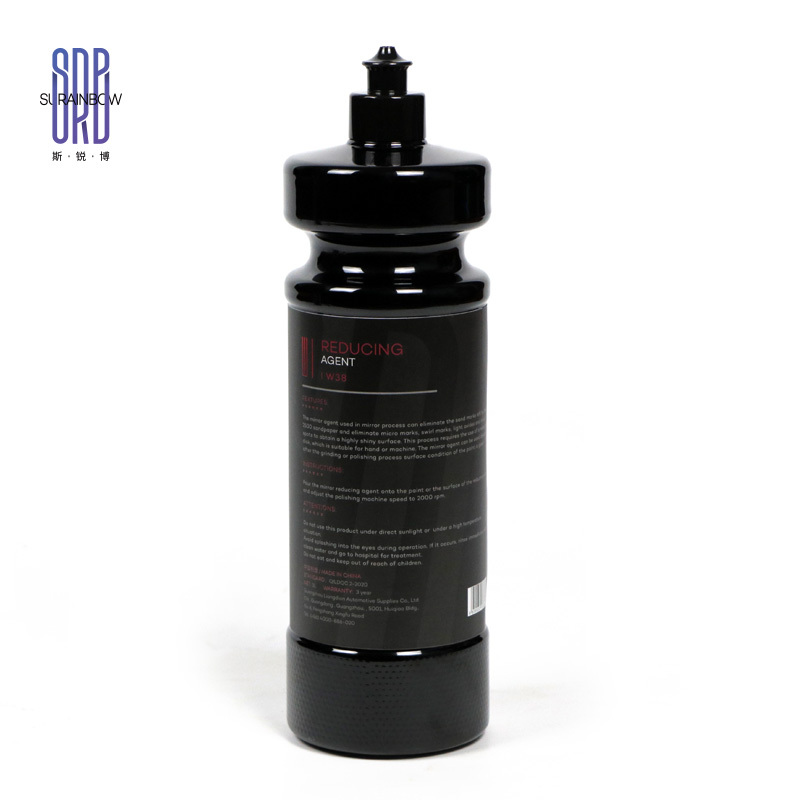
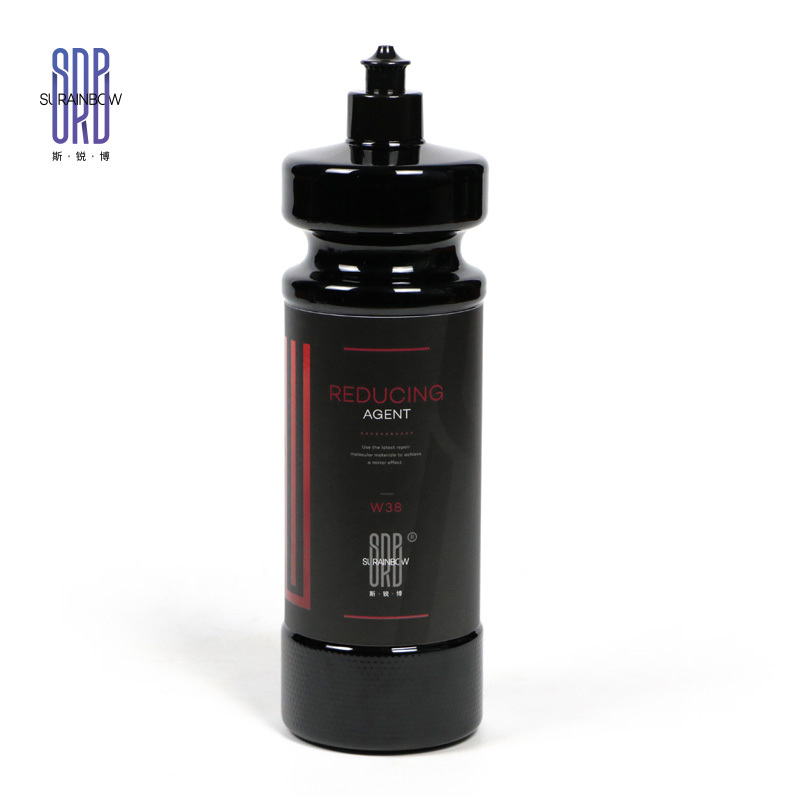
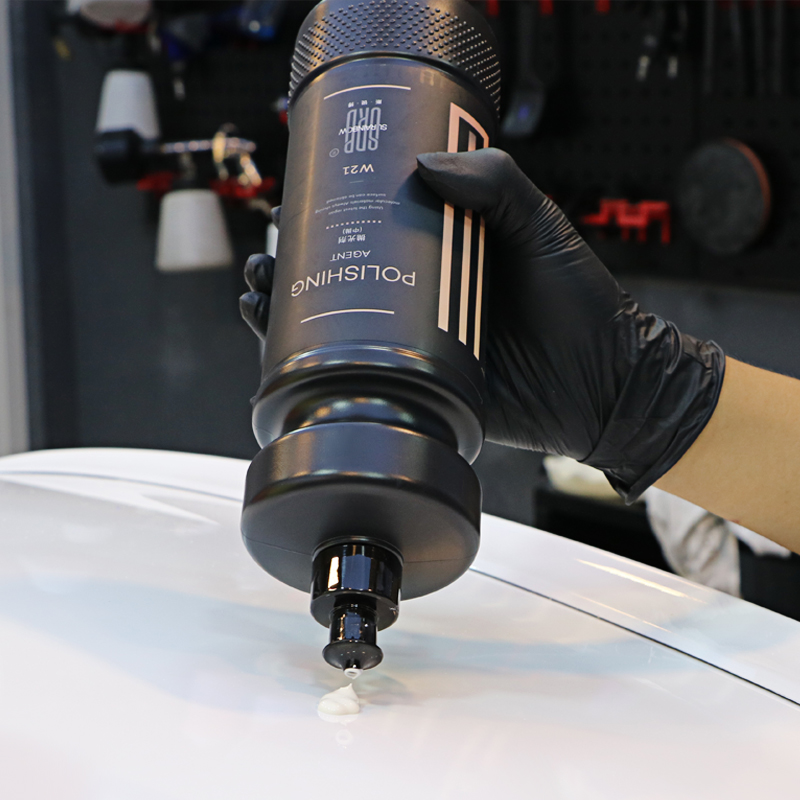
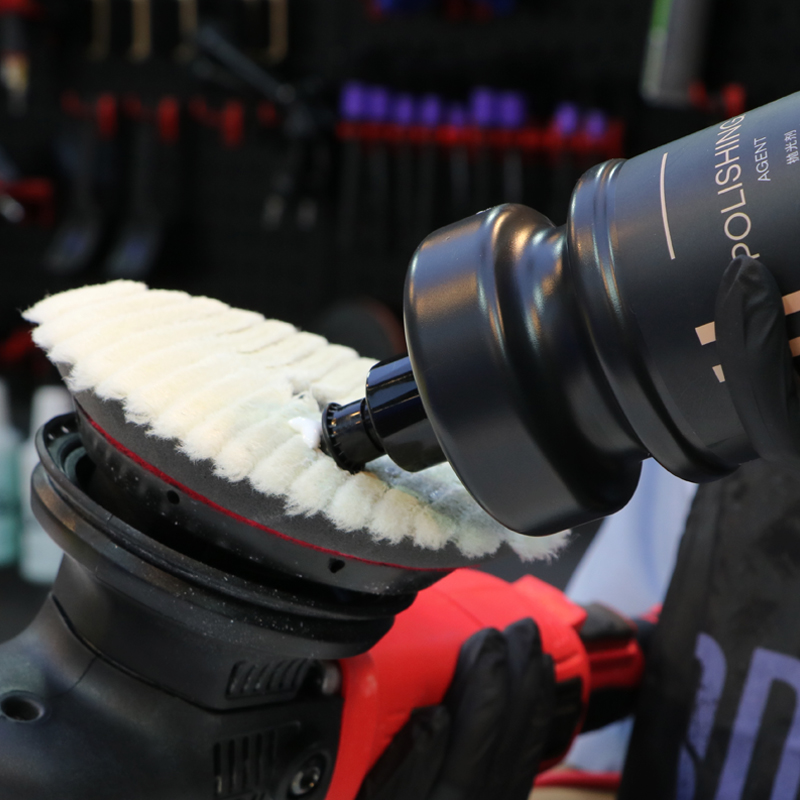
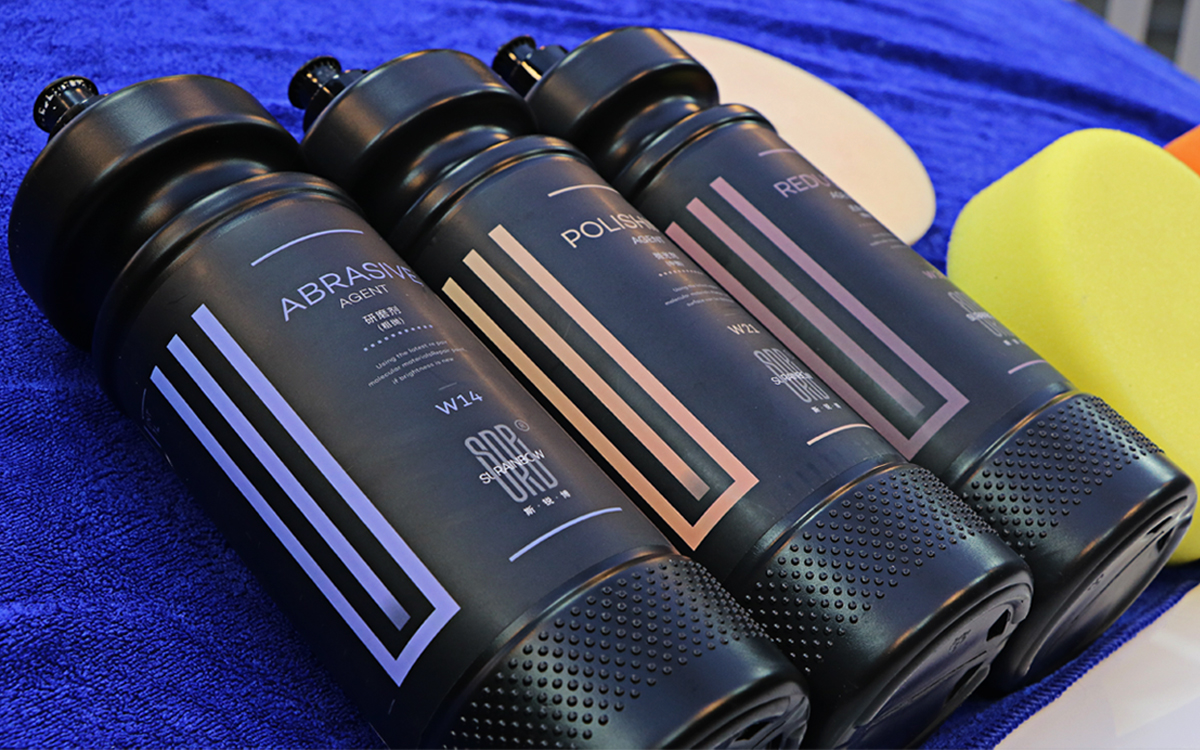
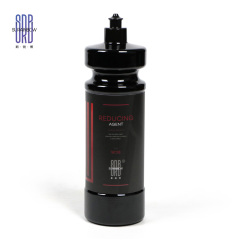
1) For fine polishing / Fine Cut
2) Can effectively remove 2500 sandpaper and eliminate micro marks, swirl marks, light oxides and small spots to obtain a highly shiny surface.
Product Overview
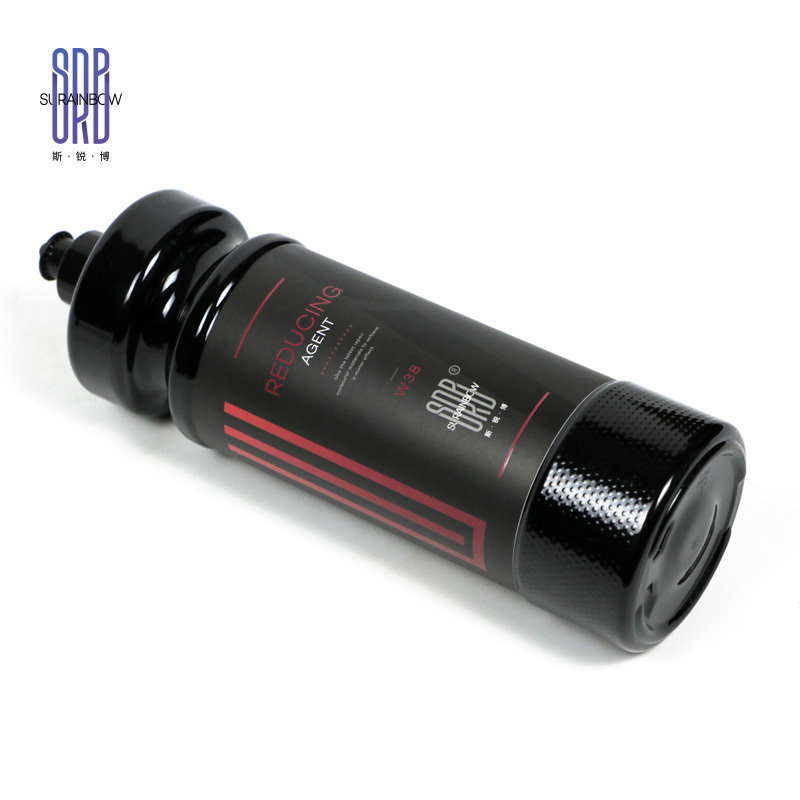
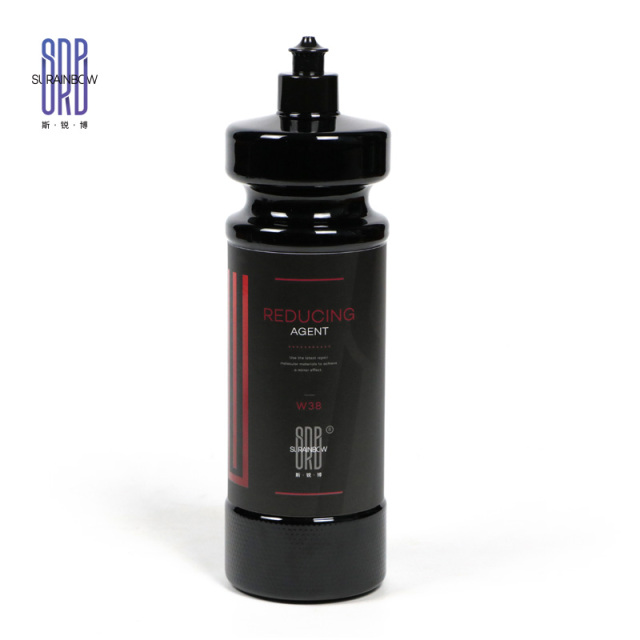
No.W38 is the last polishing step before protection goes on. It is a mirror finish polishing compound built for the fine-cut pass: once a middle-cut compound has taken out the heavier defects, this is the bottle that lifts the micro marks left behind and brings the paint up to a high gloss.
The defects it is built around are the ones left by 2500-grit abrasive paper, fine micro scratches, swirl marks and spiral grain traces from machine work, light oxidation on older paint, and small spots. Worked properly, they clear and the panel reads as a clean, wet-look surface instead of a dull one with light scatter across it.
This is a fine cut, not a heavy compound. It takes off very little paint and finishes high, which is why it belongs to the refinement stage rather than to the first correction pass on badly swirled paint. How far it goes depends on the depth of the scratches and on the condition of the paint underneath, so the pad and the number of passes matter as much as the product itself.
Shops that run a two-step correction on most cars use the middle cut on the defects and this on the finish; shops selling enhancement details use it on its own. Either way it is the pass that decides whether the car reads as glossy or as hazy under a forecourt light.
Defects Handled & Finish Quality
- 2500-grit sanding marks. The core job. On a repaired panel finished with 2500 abrasive paper, this pass clears the sanding pattern so the surface stops showing tracery under a swirl-finding light.
- Micro scratches. Faint marks from towels, covers and wash mitts that sit in the clear coat. As a polishing compound for car scratches at this depth, it refines them out without sending the panel back to a cutting step.
- Swirl marks and spiral grain traces. The circular grain left by compounding, and machine holograms, are levelled in the same pass — which is what makes the finish read evenly in sunlight instead of only under workshop light.
- Light oxidation. Chalky, dulled paint on older or neglected vehicles brightens back up; heavy, flaking oxidation needs a stronger stage first.
- Small spots. Water spotting and small surface blemishes are worked away with the rest of the defects rather than spot-treated on their own.
- High-gloss result. The pass ends on a tight, mirror-like reflection, which is the point at which the panel is ready for wax, sealant or coating.
- Works with a polishing agent. Where the process calls for an extra refinement step, this auto polishing compound can be run together with a polishing agent rather than being replaced by it.
Working Method
- Wash the vehicle and decontaminate the panel first. The compound should meet clean paint, not road film, tar or bonded iron.
- Inspect under a swirl-finding light and confirm the stage. If the panel still carries deeper defects, take them out with a middle-cut compound before starting the finish pass.
- Fit a soft finishing pad, prime it lightly, and add a few small dots of the fine cut polishing compound. A primed pad needs less product than a dry one.
- Spread the product over the working area at low speed to pick up an even film before applying any pressure.
- Work in overlapping passes with the pad flat and the machine moving, and let the compound break down rather than drying out on the panel.
- Ease off the pressure for the final passes and finish with the machine just gliding — that is where the gloss comes from.
- Wipe the residue with a clean, dry microfiber and inspect the panel at an angle under the light. Repeat only on areas that still show marks; a second pass over clean paint adds nothing.
- Follow with your protection step once the panel is fully clean, so the finish you have just made is the finish the customer keeps.
Pad, Machine & Working Conditions
Because this is a polishing compound for car scratches and light defects rather than a heavy cutter, the pad does most of the work. A soft finishing foam keeps the cut fine and the gloss high; a firmer foam or a microfibre pad turns the same bottle into a sharper cutter, which helps on hard paint and gets risky on soft paint. Dual-action machines are the safe default for a finishing pass. A rotary will get there faster in experienced hands, but it needs a lighter touch and more attention at panel edges, on plastic trims and around body lines.
Keep the working area to roughly a panel section — half a door, a quarter panel, half a bonnet — so the product stays active instead of drying on the surface. Two steady passes at moderate speed do more than one long pass at high speed, which mostly heats the panel and drives residue into the paint. Work out of direct sun on a cool panel: heat shortens the working time of this auto polishing compound, makes residue harder to wipe and raises the risk of holograms.
Change or brush out the pad between panels. A loaded pad stops cutting evenly and starts leaving pigtails, and no change of technique will rescue a pad that is full of dried compound. The usual causes of a hazy result are too much product, a dirty pad, or finishing with pressure still on the machine — all three are corrected on the next panel, not in the bottle.
Shop Applications
- Post-sanding refinement in a bodyshop. After 2500-grit on a repaired panel, this is the car paint polishing compound that clears the sanding pattern before the car goes back to its owner.
- Enhancement details on daily drivers. A full car with wash swirls and no deep defects can often be finished in a single pass, so the job fits into a day rather than a two-day booking.
- Used-car and trade-in preparation. Light oxidation, dull paint and small spots come back to a saleable gloss without the time a three-stage correction takes.
- Single-panel spot repair. On a door or wing that has been refinished the work stays local: mask the edges, polish the panel, wipe down and hand the car back.
- Pre-coating refinement. Shops applying ceramic or graphene coatings use this mirror finish polishing compound to even out the last micro marring, so the coating goes onto a uniform surface instead of sealing in haze.
- Multi-bay consistency. Chains ordering wholesale auto polishing compound keep one finishing step across every bay, so a car finished by one technician matches the next.
- Single-source purchasing. Sourcing the middle cut and the finish cut from one car polishing compound manufacturer gives a predictable pad feel and residue behaviour from panel to panel, and one place to trace a batch back to.
Specifications
| Product | Finish step mirror cut polishing compound |
| Model | No.W38 |
| Range | SURAINBOW polish series |
| Cut level | Fine cut / mirror finish |
| Stage | Final polishing pass, after a middle-cut compound |
| Defects removed | 2500-grit sanding marks, micro scratches, swirl marks, light oxidation, small spots |
| Finish | High-gloss, mirror-like reflection |
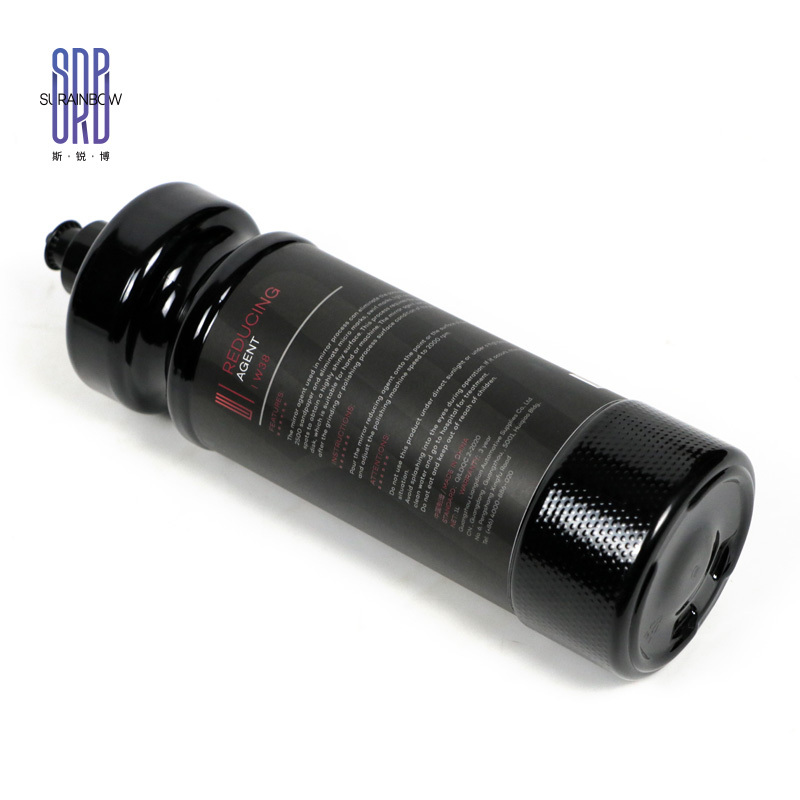
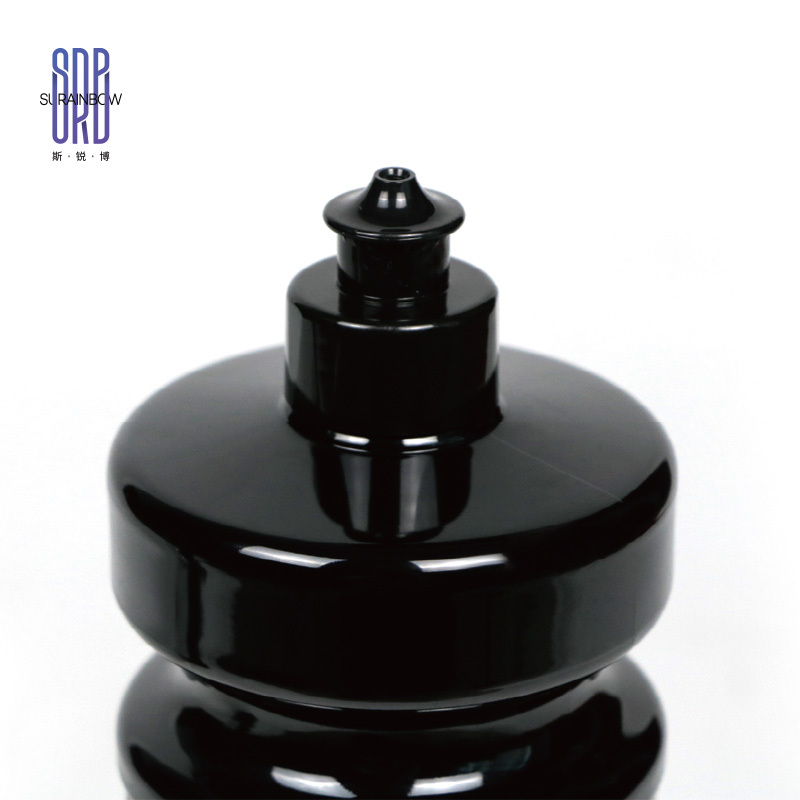
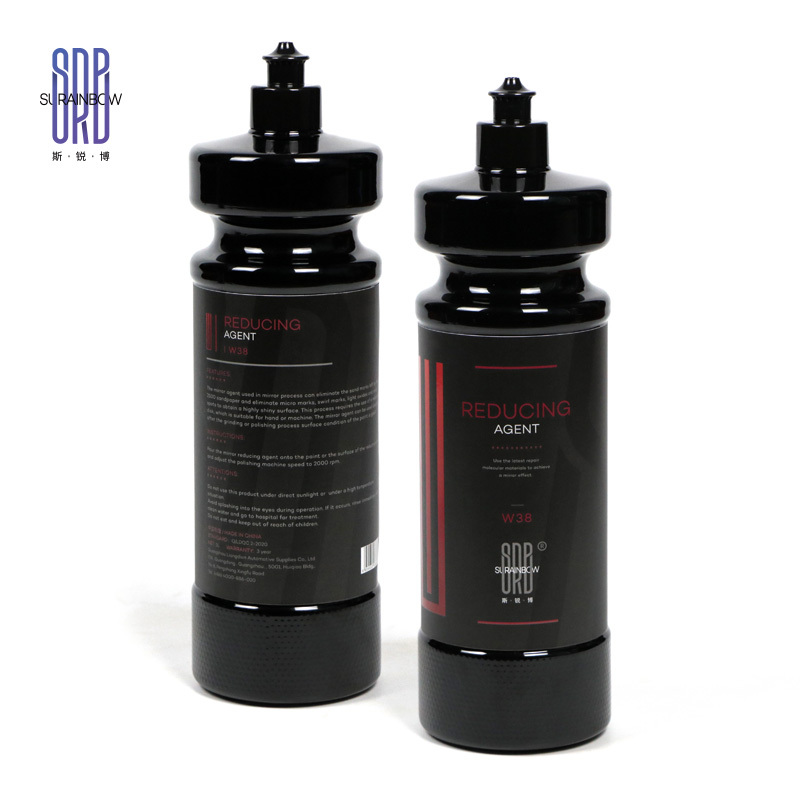
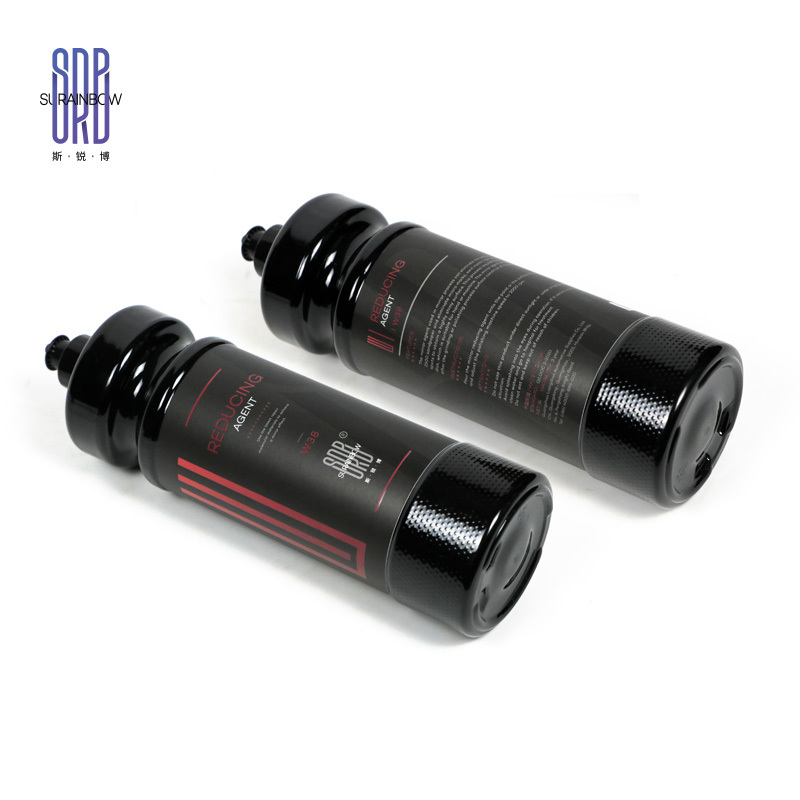
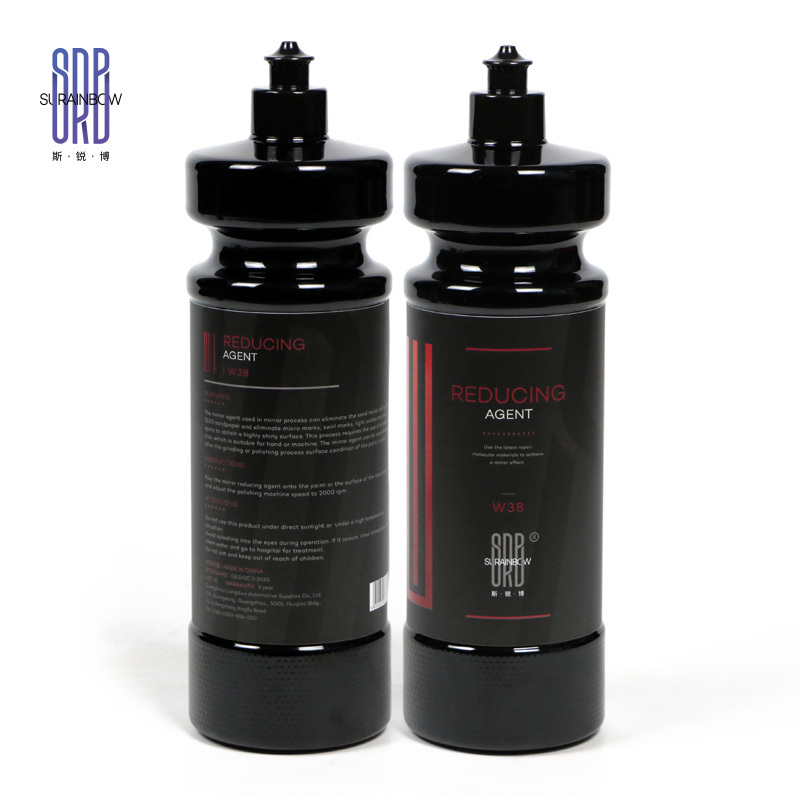
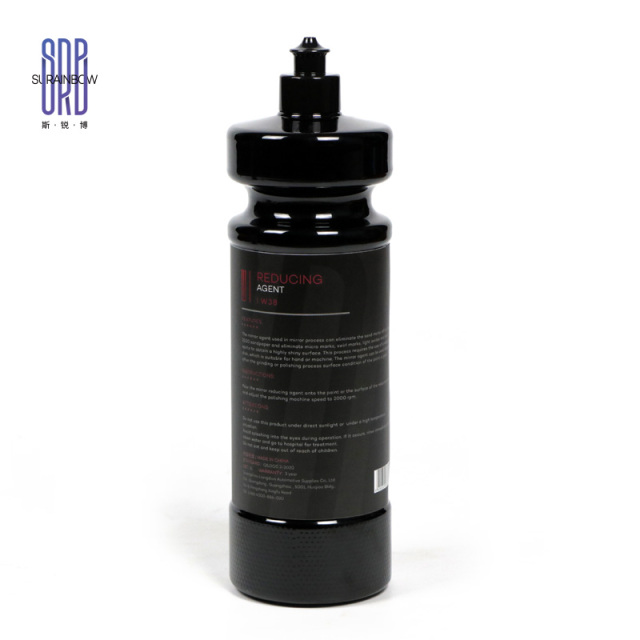
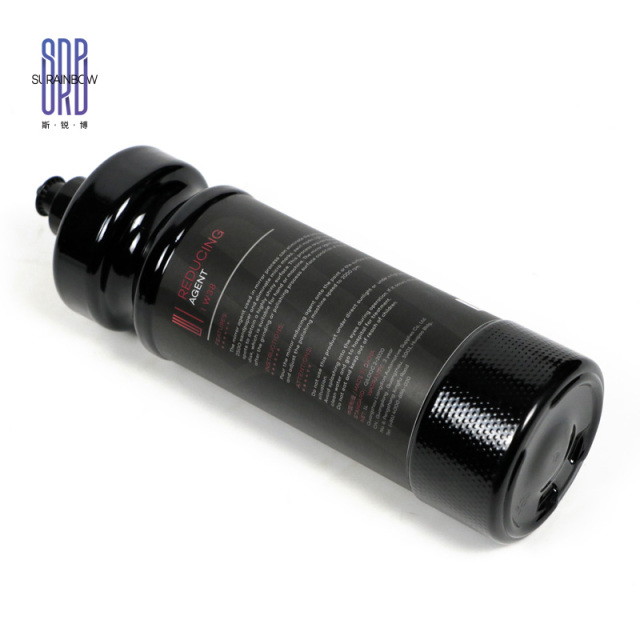
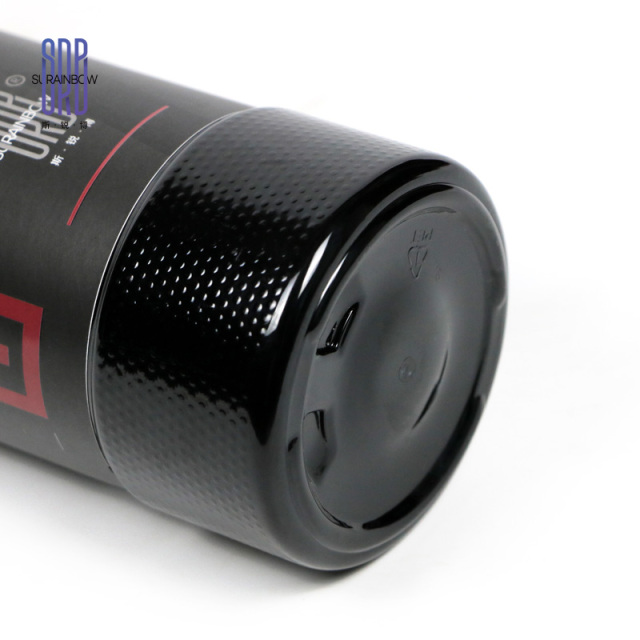
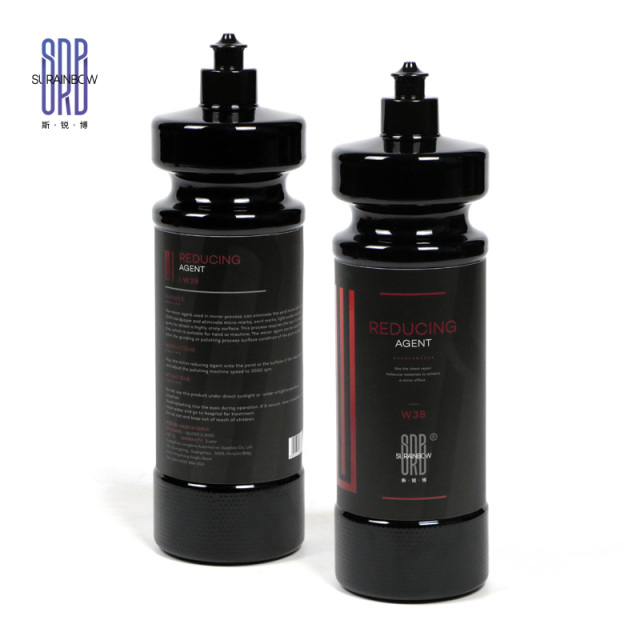
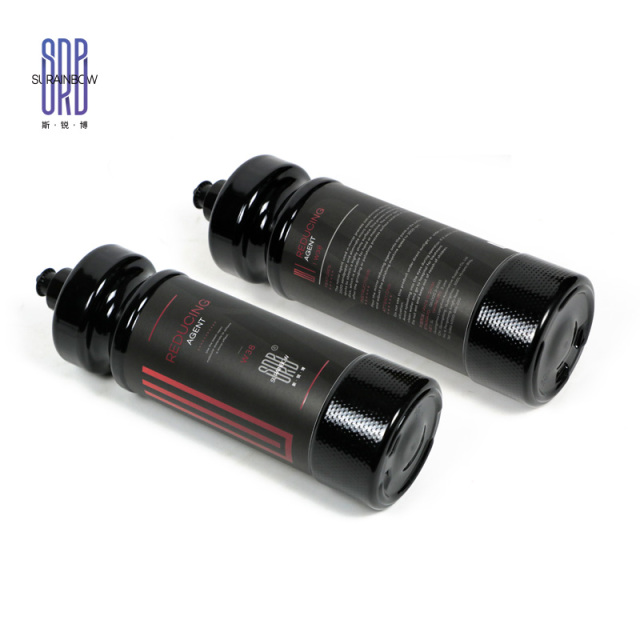
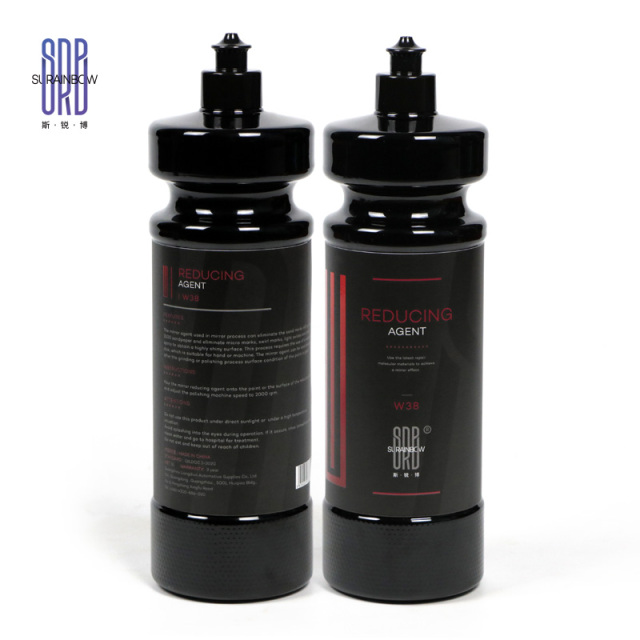
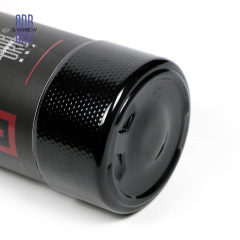
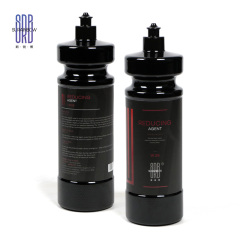
| Pack | 1 L per piece, black bottle with dispenser nozzle |
| Method | Machine polishing with a foam finishing pad |
| Intended surface | Automotive paint; confirm other substrates before use |
Formula, Safety & Documents
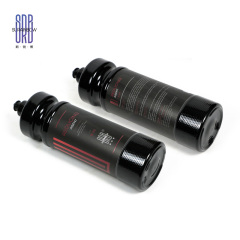
- Printed on the bottle. The back label carries the description, operating notes, warnings and storage guidance for this fine cut polishing compound, so the technician has the process to hand at the bay.
- Safety data sheet. Ask your sales contact for the SDS for the destination market; it is part of the document set prepared for export orders.
- Composition statement. Where your market or your own customer requires a composition declaration, request it with the order so the paperwork matches the batch you receive.
- GHS label information. Hazard communication content, including GHS label information, can be prepared alongside the artwork so the bottle carries the wording your market expects. That review supports your label work; it does not replace local regulatory approval, which stays with the importer.
- Workshop handling. Treat it like any machine polish: nitrile gloves and eye protection, ventilation in the bay, and no eating or drinking at the polishing station.
- Storage between jobs. Keep the bottle capped, upright and out of direct sun and heat. The label's storage notes and the SDS cover the product-specific conditions.
- Batch reference. Every bottle carries a batch marking, so a result can be traced back to the run it came from and a new delivery can be compared with the one a shop has been using.
- Documents tied to the batch. As a car polishing compound manufacturer we keep the technical file tied to the batch rather than to the product name alone, which is what makes a query answerable months after delivery.
Sampling, Test Panel & Packaging Proof
Before a wholesale auto polishing compound order is confirmed, run the product on the paint you actually service. Prepare a test panel — a spare panel or a test card finished with the same paint system and the same abrasive grit your shop uses — then record the pad, the machine, the number of passes and the result. An approved panel is worth more than any description: it becomes the reference the bulk delivery is checked against, and it settles a finish question in minutes.
Sampling scope, sample size and any courier arrangement are agreed with your sales contact before dispatch, so both sides know exactly what is being evaluated and what it will be judged on. Record the test on the panel itself — grit stage, pad, machine and date — because the same compound behaves differently after a pad change.
Packaging is proofed in parallel. Bottle and closure, label artwork, label language, barcode data, cartons and shipping marks are all reviewed; artwork files come from your side, and the proof is approved before the bulk run starts. The approved sample and the approved packaging proof then travel with the order: one defines what is inside, the other defines what is outside, and both are what production is compared against.
Ordering, Shipping & After-Sales
- Start with the item and the pack size you need. As a polishing compound supplier we supply this finish step by the piece, and a mixed order can combine it with the middle-cut compound, pads and protection products so the whole sequence arrives together.
- Confirm quantity, packaging and destination. MOQ depends on the product, the packaging and the customization scope, so it is quoted once those are settled rather than fixed on the product.
- Agree the commercial terms: unit price, Incoterm and shipping method. Card and electronic payment options can be discussed, and sea, air, rail or truck freight — including DDP arrangements — is quoted for the destination.
- Once the sample and the packaging proof are approved, production is scheduled. As a planning reference, white-label work on an existing formula with ready packaging usually runs around 7–15 days, while deep ODM development commonly takes about 6–12 weeks. Confirm the schedule for your own project.
- Settle the balance before dispatch. This product is held in stock and fast shipping is arranged once payment clears; the forwarder booking, consignee details and carton marks are confirmed before the goods leave.
- Receive the document set with the shipment: SDS/MSDS, CoA, commercial invoice, packing list and customs documents. Tell us at quotation stage which documents your market needs so the set is complete at handover.
- Check the goods on arrival. Report packaging, leakage or shortage issues within 7 days of receipt, and quality concerns within 30 days, quoting the order reference, batch number, affected quantity and photos or video.
- Keep the batch record. Whether the order is one pallet or a repeat wholesale auto polishing compound program, the batch reference lets a later query be matched to the run it came from instead of to memory.
Scale & Supply Capability
SURAINBOW is run by Guangzhou Liangdian Automotive Supplies Co., Ltd., a factory-trade operation set up in Guangzhou in 2010 and now 50 people strong. Sixteen years in car care have given us a one-stop supply position: our own SURAINBOW lines are held in stock for fast shipping, and an associate factory with modern production equipment and an established quality management system keeps replenishment moving. We take OEM and ODM work and our R&D team develops to your specification. Buyers in the Middle East, the United States, Southeast Asia, Europe, the UK, Russia, Africa and Australia already order from us.
FAQ
When should I use this instead of the middle-cut compound?
The middle cut does the heavy work: swirls from grinding, 2000-grit sanding marks and the deeper haze. This mirror finish polishing compound follows it and removes what the middle cut leaves behind — 2500-grit marks, micro scratches, light oxidation and small spots — while pulling the gloss up. On a car with only light wash swirls and no deep defects, you can often go straight to this step and skip the middle cut.
Will it remove 2500-grit sanding marks completely?
That is what it is built for, and on a properly prepared panel it clears the sanding pattern. Work the fine cut polishing compound with a soft finishing pad and enough passes to let it break down fully, then inspect at an angle. On harder paint, or on marks that were cut deeper than 2500, a second pass may be needed — and if the marks are still there, drop back to the middle cut rather than leaning harder on the machine.
Which pad and machine should I run it on?
A soft finishing foam pad on a dual-action machine is the standard combination for a finishing pass; step up to a firmer pad only when the paint is hard and the defects are stubborn. A car paint polishing compound behaves differently on soft and hard paint, so keep the speed moderate, the pad flat and the machine moving, and check the first section before you commit to a whole car. Settle the pad and the speed on a test panel first.
Will it get rid of deeper scratches?
Not on its own. As a polishing compound for car scratches that sit in the clear coat, it refines surface marks; a scratch you can feel with a fingernail has gone through or deep into the clear coat and needs a heavier compound first — sometimes paint work. Judge the scratch in good light before choosing the step, and tell the customer what the finish will realistically look like.
Can it be supplied under our own brand?
Yes. Private-label work starts from the existing formula: your artwork, label language, barcode and carton design go onto a product that is already established. We review the label content with you before proofing, and the approved sample plus the approved packaging proof become the reference for the bulk run. As a car polishing compound manufacturer we handle filling, labelling and packing, so the bottle, the label and the batch record stay tied together.
Is this the same as a one-step polish?
No. A one-step product is asked to cut and finish in the same pass, which is a compromise on both. This auto polishing compound is a dedicated finish step: it takes off very little paint and concentrates on refining the surface left by a cutting stage. That is why the gloss holds up in sunlight instead of leaving the haze a one-step can leave behind.